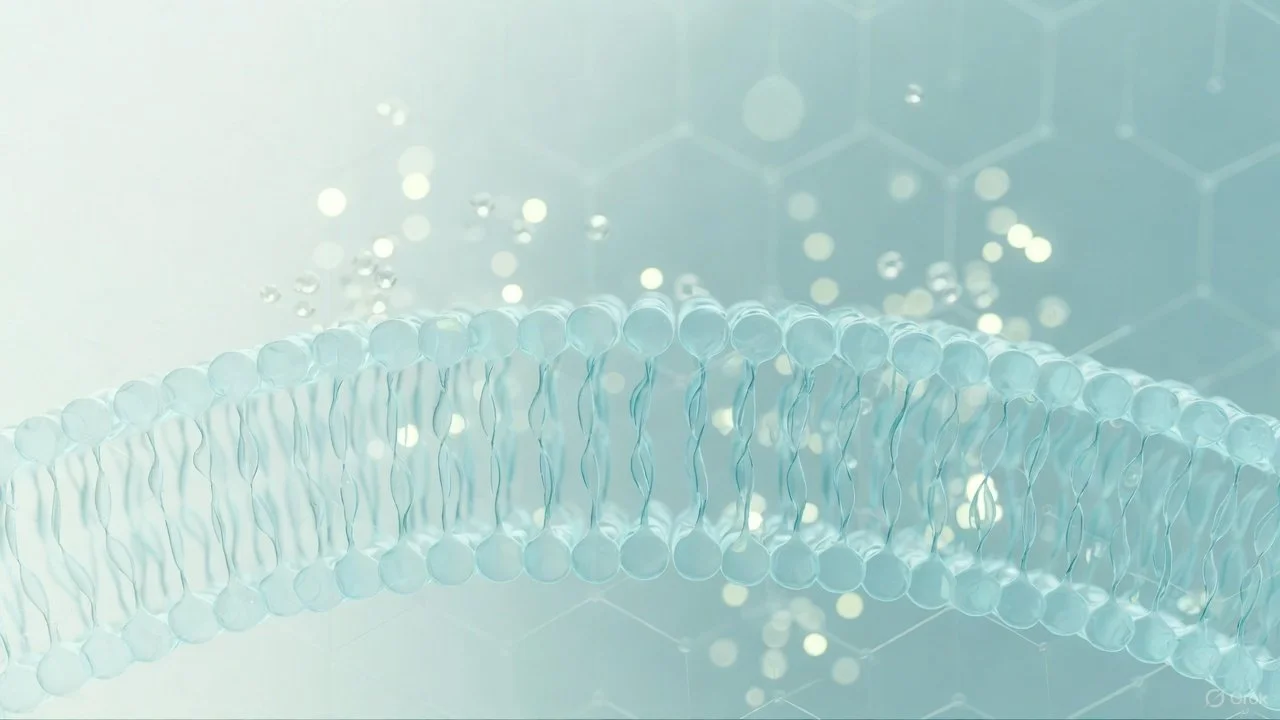
The Science Behind LipoQuench™
Advanced plant-based lipid innovation. Rooted in membrance science.
LipoQuench is powered by pPLC — a refined phytosterol–lipid conjugate engineered to cross cellular lipid barriers with extraordinary efficiency.
Here, we explore the science behind its immune, cellular, and men’s wellness benefits.
How Nutrients Cross Lipid Barriers
Why delivery matters.
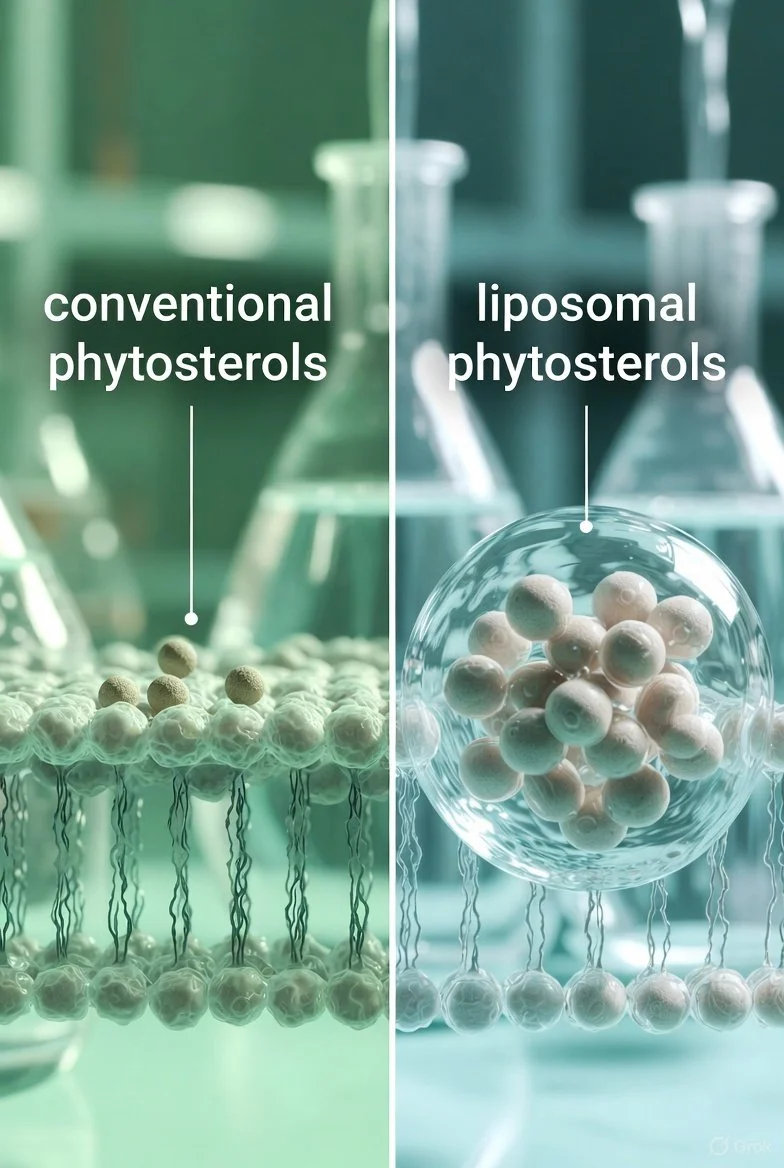
Every cell is surrounded by a lipid membrane — a barrier that blocks most nutrients from entering.
Traditional plant sterols are poorly absorbed because they don’t move easily across this lipid layer.
pPLC changes this.
Its phytosterol–lipid conjugated structure is designed to:
blend smoothly with lipid membranes
cross the barrier more efficiently
deliver higher biological activity
Improved delivery means improved effectiveness — right where the body needs it.
What Makes pPLC Different
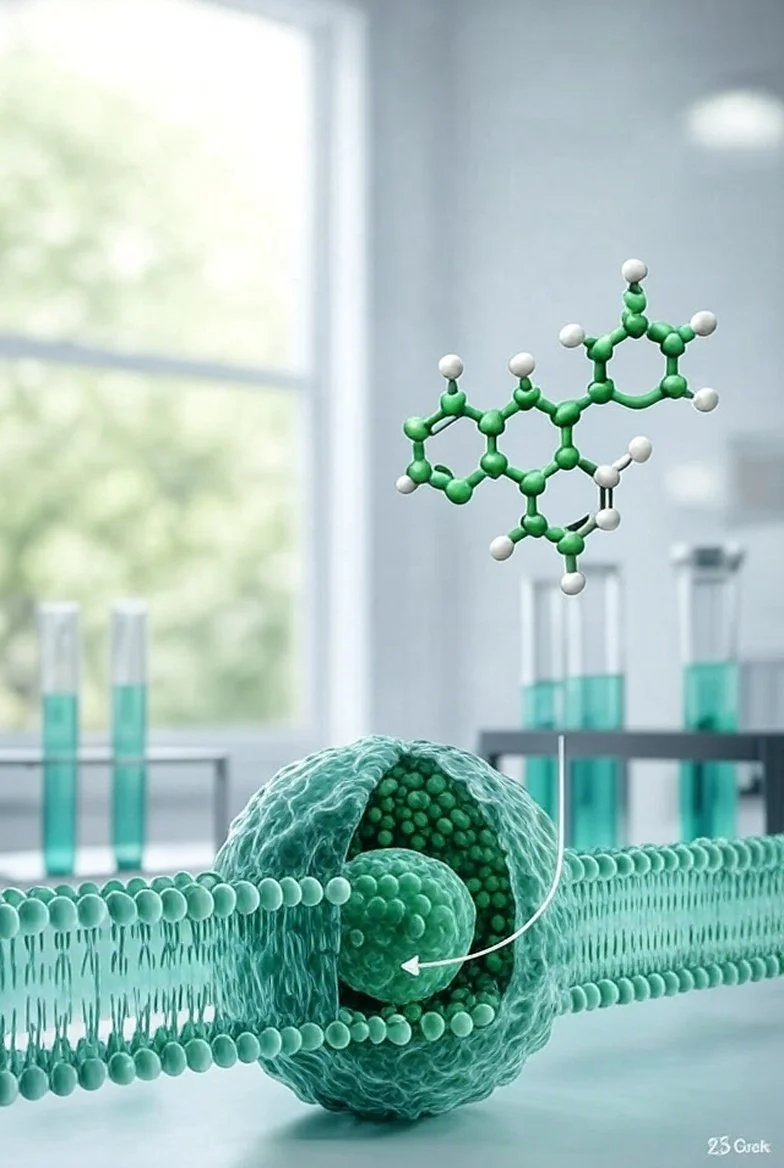
pPLC is a refined phytosterol–lipid conjugate engineered for better compatibility with lipid-rich environments
Its unique structure supports:
Higher molecular stability
Smoother interaction with lipod membrances
Enhanced functional activity
A more efficient form of plant sterols — built for modern wellness.
The Biological Advantages of pPLC
Better delivery means better biological participation.
By improving lipid–membrane compatibility, pPLC helps phytosterols engage more effectively in key cellular pathways.
pPLC-enhanced phytosterols help support:
immune balance — supports healthy innate & adaptive responses
prostate wellness — supports normal prostate function & urinary comfort
cellular & membrane health — supports membrane structure, fluidity, and nutrient signaling
These advantages align with published research on plant sterols, immune modulation, membrane biology, and men’s wellness.
References
Jones PJH et al. Plant sterols and cholesterol metabolism. Nutrition Reviews.
Brites F et al. Phytosterols and immune modulation. Clinical Science.
Wang Z et al. Phytosterols and prostate cellular pathways. Journal of Nutritional Biochemistry.
Lingwood D & Simons K. Lipid rafts and membrane dynamics. Nature Reviews Molecular Cell Biology.
van der Veen JN et al. Lipid membranes and cellular signaling. Biochimica et Biophysica Acta (BBA).
Trautwein EA et al. Mechanisms of plant sterol absorption and membrane interaction. European Journal of Clinical Nutrition.
Awad AB et al. Plant sterols and men’s health biomarkers. Journal of Steroid Biochemistry & Molecular Biology.
National Cancer Institute (NCI) – pPLC-related publication. Published cellular research on plant lipid conjugates.
These references include peer-reviewed publications related to phytosterols, immune modulation, membrane biology, men’s wellness, and plant sterol–lipid conjugates.